
If you have ever stood in a store wondering about scalp oil vs serum, you are not alone, because the two products look similar on the shelf but behave very differently once they touch your skin and hair. Both promise a calmer, healthier-feeling scalp, yet one is a rich conditioning treatment and the other is a lightweight daily leave-in. Knowing which is which saves money, time, and a fair bit of trial and error.
This guide breaks down the five real differences, when to reach for each, and whether you can sensibly use both in one routine. We will keep the focus practical, so by the end you should know exactly which bottle belongs in your cart and why. It is informational and not medical advice; if you have a persistent or worsening scalp concern, please check in with a clinician.
The quick answer: oil vs serum at a glance
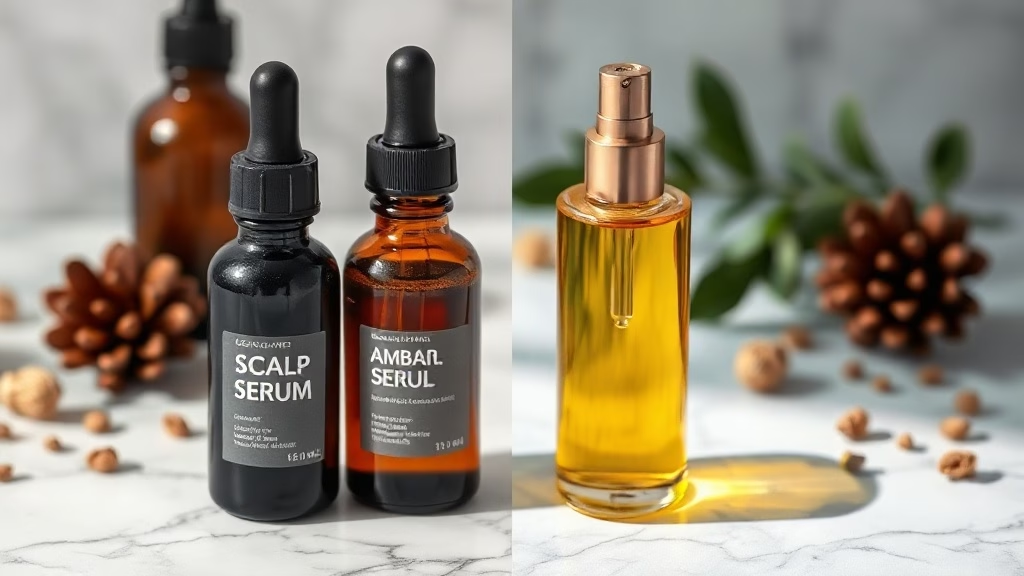
A scalp oil is the richer of the two. It is usually a blend of plant oils, sometimes carrying botanicals like rosemary or peppermint, and it works best as a pre-wash ritual or an occasional conditioning treatment. You massage it in, let it sit, and rinse it out. It feels nourishing and a little indulgent.
A scalp serum is the lightweight one. It is often water-based, frequently formulated with peptides, niacinamide, or soothing humectants, and it is designed to be a leave-in you can apply daily. It absorbs quickly, leaves little to no greasy residue, and slots into a morning or evening routine without needing a wash afterward.
So the shorthand is this: oil equals rich, wash-out, ritual; serum equals light, leave-in, everyday. Most of the confusion between the two clears up once you hold that distinction in mind.
That said, the lines do blur a little. Some brands sell lighter scalp oils meant to be left in, and a few serums lean creamy rather than watery. The categories are a helpful starting point, not strict rules, so it is always worth reading the directions on the bottle to see how the maker intends the product to be used and how long it should stay on.
Scalp oil vs serum: comparison table
| Feature | Scalp oil | Scalp serum |
|---|---|---|
| Texture | Rich, slippery, occlusive | Light, fast-absorbing, often watery |
| When to use | Pre-wash or weekly treatment | Daily, leave-in |
| Leave-in vs wash-out | Usually washed out | Left in |
| Best scalp type | Dry, tight, flaky | Normal, combination, or oily |
| Typical goal | Conditioning, comfort, massage | Targeted upkeep, lightweight hydration |
5 real differences between scalp oil and serum
1. Texture and weight
The most obvious difference is how each one feels. An oil is dense and coats the hair and scalp, which is wonderful for a massage but heavy if you leave it on all day. A serum is engineered to feel like almost nothing, so it disappears into the scalp and lets you carry on with your day.
If you dislike a greasy feeling, texture alone may make your decision for you. Oils also tend to spread and travel along the hair shaft, which is why they double as conditioning treatments for dry lengths. Serums stay closer to where you place them, making them easier to target at the scalp itself without coating every strand.
2. Base formulation
Oils are, unsurprisingly, oil-based, built around carriers such as jojoba, castor, or coconut, and often scented with botanical extracts. Serums lean water-based and tend to deliver ingredients like peptides, niacinamide, or hydrating humectants in a thinner vehicle. That difference in base shapes everything else: how they absorb, how long they last, and whether they sit on the surface or sink in quickly.
The base also affects who tolerates each product. Heavy oils can feel comforting on dry skin but overwhelming on a scalp that already runs oily, while lightweight water-based serums spread thinly and rinse away easily if you ever change your mind. Patch-testing a small area first is a sensible habit with either format, especially if your scalp is sensitive or reactive.
3. How you use them
A scalp oil is typically a ritual. You apply it before washing, massage for a few minutes, let it work, then shampoo it out. A serum is the opposite kind of habit: a quick daily application to clean, dry, or damp scalp that you simply leave alone. One is occasional and involved; the other is frequent and effortless.
4. Who they suit
Dry, tight, or flaky scalps often love the comfort of an oil, which buffers that parched feeling. Oilier scalps tend to prefer a serum, because adding more oil to an already-greasy scalp can feel like too much. Combination scalps can usually go either way, depending on the season and how their skin behaves week to week.
5. The goal each one serves
Think of an oil as comfort and conditioning. It is about softness, slip, and a soothing massage that many people find genuinely relaxing at the end of a long day. A serum is about lightweight, consistent upkeep, delivering ingredients in small daily doses you barely notice applying.
Neither product can promise to change your hair in dramatic ways, and it is wise to be skeptical of any label that suggests otherwise. What they can do is support a comfortable, well-cared-for scalp, which is a reasonable and worthwhile goal on its own. Matching the product to your real goal, rather than to marketing language, is the surest way to feel happy with your choice.
Which one should you use?
Start with your scalp and your patience. If your scalp feels dry or you enjoy a weekly self-care moment, an oil is a lovely choice; a rosemary-and-mint option like the Mielle Rosemary Mint oil is a popular pre-wash pick. If you want something quick and daily that will not weigh your hair down, reach for a serum such as The Ordinary scalp serum.
It also helps to think about the season. In dry winter months, even an oilier scalp may welcome the comfort of an occasional oil treatment, while in humid summer weather a light serum often feels like plenty. Your scalp is not static, so the better choice can shift across the year, and there is no harm in keeping both on hand.
You do not have to choose only one. Many people use an oil as a weekly treatment and a serum on the days in between, letting each do what it does best. If you are just starting out, pick the single product that matches your most pressing concern, live with it for a few weeks, and add the second only if you feel a real gap. For deeper roundups, browse our guides to the best scalp oil and the best scalp serum before you commit.
Frequently asked questions
Can I use both an oil and a serum?
Yes, and many routines do. A common approach is a pre-wash oil treatment once or twice a week, with a lightweight leave-in serum used on non-treatment days. Just give your scalp a clean canvas for the serum, since heavy oil residue can keep a water-based product from absorbing well.
Which is better for an oily scalp?
A serum is usually the friendlier choice for oily scalps because it adds care without adding more oil. If you love the ritual of an oil, keep it as a short pre-wash treatment rather than a leave-in, and wash thoroughly afterward so your scalp does not feel weighed down.
Which goes on first if I use both?
They generally are not layered at the same time. Use the oil as a pre-wash step, shampoo it out, then apply your serum to a clean scalp later. If you ever do use them in one session, the lighter, water-based serum goes first and the heavier oil last, following the usual thin-to-thick logic of skincare.
Are these products a treatment for hair loss?
No. Scalp oils and serums are cosmetic comfort and upkeep products, not treatments for medical conditions. For concerns like thinning, persistent flaking, or irritation, the American Academy of Dermatology and a qualified clinician are far better sources than any product label.
The bottom line
The scalp oil vs serum question really comes down to texture, timing, and your scalp type. An oil is your rich, wash-out, weekly ritual; a serum is your light, leave-in, everyday companion. Pick the one that matches how your scalp feels and how much effort you want to spend, and remember that, for many people, the most satisfying answer is a little of both.