
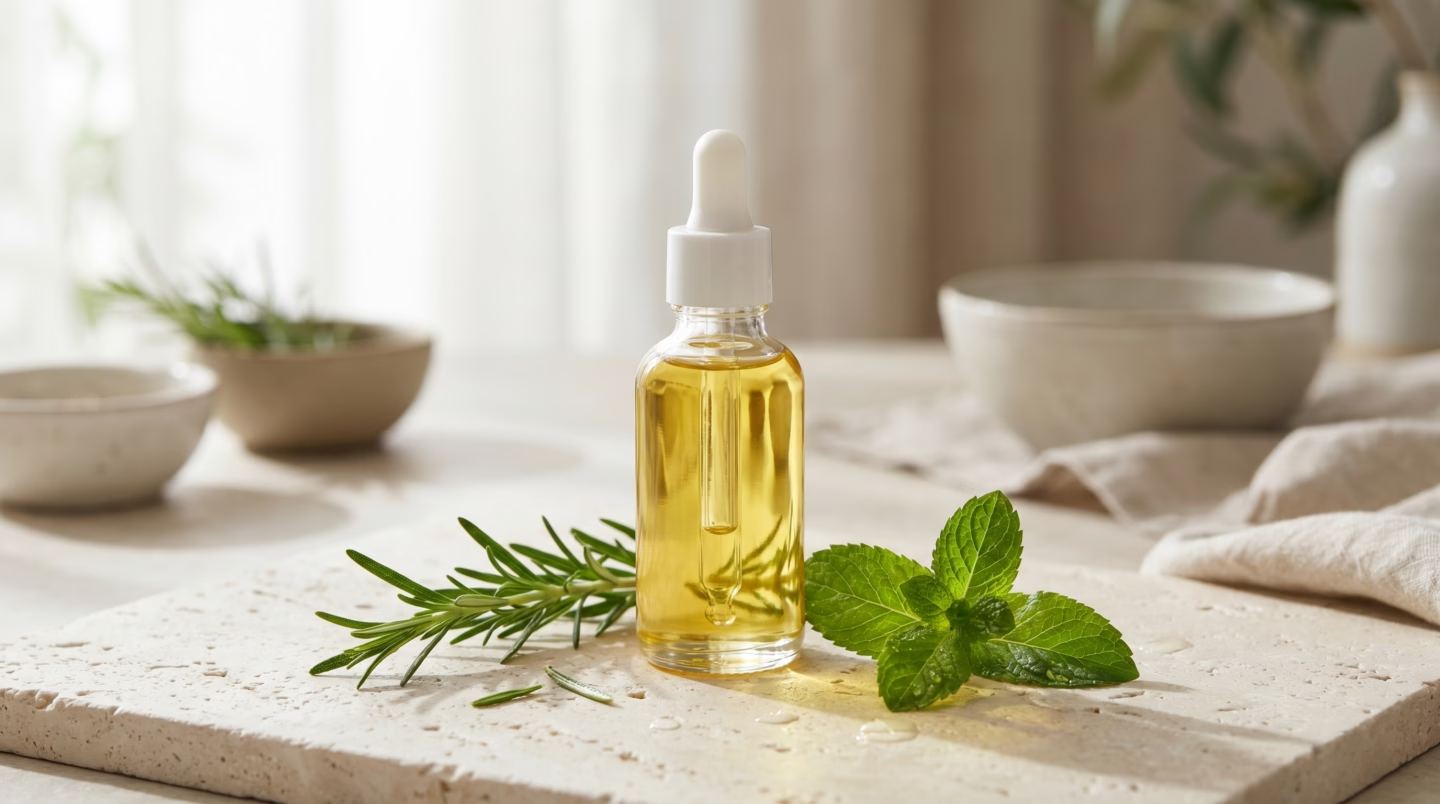
Finding the best scalp oil is less about chasing miracles and more about building a calm, consistent ritual for the skin under your hair. A good scalp oil can soften flaky patches, ease the tight feeling after washing, add slip for a gentle massage, and leave hair smelling fresh. What it cannot reliably do is guarantee hair growth. The evidence for scalp oils, including popular rosemary blends, is still limited and emerging, so it is wise to keep expectations grounded. Think of these as comfort and conditioning tools, not cures. In this guide we rank three options, explain how to choose one for your scalp type, and share how we evaluate them.
This article is informational and not medical advice. Persistent, painful, or severe scalp issues, including sudden shedding or spreading irritation, warrant a visit to a board-certified dermatologist.
Our top picks at a glance
Each of these scalp oils earns its place for a different reason. The table below sums up who each one suits, with names linked to their product pages so you can dig deeper. Browse the full scalp oils category if you want to compare more options.
| Scalp oil | Best for | Format | Standout note |
|---|---|---|---|
| Mielle Rosemary Mint Scalp & Hair Oil | Most popular pick | Light leave-in | Refreshing minty tingle, affordable |
| Sky Organics Organic Rosemary Strong Roots Oil | Best value, classic pre-wash | Pre-wash treatment | Softens scalp, pleasant scent |
| Tea Tree Hair Oil with Jojoba, Castor & Batana | Best for soothing | Targeted treatment | Cooling, clarifying feel |
Mielle Rosemary Mint Scalp & Hair Oil
This is the one that went viral, and it remains the most popular scalp oil we cover. The draw is easy to understand: a refreshing rosemary-mint scent, a gentle minty tingle that makes scalp massage feel like a treat, and a price that keeps it accessible. The texture is light enough to leave in for many hair types, so you can work a few drops into the scalp and through mid-lengths without feeling weighed down. It layers nicely into a wind-down routine and travels well.
A few honest caveats. Because it is genuinely light, it is also easy to overdo, and applied too generously it can leave fine or low-density hair looking heavy and greasy until the next wash. The tingle that many love can feel intense on very sensitive scalps. And as with all rosemary oils, the evidence around growth is limited, so enjoy it for the ritual and conditioning rather than expecting dramatic results.
Pros: refreshing scent and tingle; light, leave-in friendly; affordable; widely loved. Cons: easy to overapply; tingle may bother sensitive scalps; growth evidence is limited. See the Mielle Rosemary Mint oil.
Sky Organics Organic Rosemary Strong Roots Oil
If you prefer a simple, clean formula, this rosemary oil is our best-value pick and a natural fit for a pre-wash routine: three USDA-organic ingredients (rosemary, macadamia and jojoba oils), and directions to leave it on for about an hour before shampooing. Massaged into a dry scalp twenty to thirty minutes before shampooing, it softens the skin, adds slip for a relaxing massage, and lends a warm, herbal scent that lingers pleasantly. It is the kind of straightforward, affordable bottle you can reach for weekly without much thought, which is exactly what makes it easy to stay consistent with.
The trade-offs are about format rather than quality. As a richer pre-wash oil, it needs to be washed out thoroughly; a single shampoo pass may not fully clear it, especially on finer hair, so plan for a proper cleanse. It is less suited to leaving in all day than a lighter formula. And, again, the research behind rosemary for the scalp is still emerging, so treat softness and scent as the wins.
Pros: excellent value; softens the scalp; pleasant herbal scent; great pre-wash ritual. Cons: must be washed out well; not ideal as an all-day leave-in; evidence is limited. See the Sky Organics Rosemary Strong Roots Oil.
Tea Tree Hair Oil with Jojoba, Castor & Batana
When your scalp feels itchy, oily, or prone to buildup, this tea tree treatment is our pick for soothing. It delivers a cooling, clarifying sensation that many people find genuinely comforting on a hot, irritated scalp, and the brisk, medicinal scent reinforces that just-cleansed feeling. Used as a targeted treatment rather than an everyday leave-in, it can help an oily or buildup-prone scalp feel fresher between washes.
Tea tree is potent, though, and that is the main caution. It can irritate sensitive skin, so a patch test behind the ear or on the inner forearm is essential before you apply it more widely. Start with a small amount and infrequent use, and stop if you notice stinging, redness, or increased flaking. You can read more about the ingredient on the Wikipedia entry for tea tree oil. As with the others, manage expectations on growth.
Pros: cooling, clarifying feel; soothes itchy or oily scalps; good for buildup-prone types. Cons: can irritate sensitive skin; patch test required; not for daily leave-in use. See the Tea Tree Scalp Treatment oil.
How to choose the best scalp oil
Choosing the best scalp oil comes down to matching format, ingredients, and your scalp type, then applying it sensibly. Here is how we break it down.
Pre-wash vs leave-in
Pre-wash oils are richer and meant to be massaged in before shampooing, then rinsed away; they are great for softening and a deep-feeling ritual. Leave-in oils are lighter and designed to stay in small amounts through the day. If you have fine hair or oily roots, a leave-in used sparingly, or a pre-wash, will feel cleaner than a heavy oil left in.
Ingredients: rosemary, mint, and tea tree
Rosemary is the headline ingredient in many scalp oils and is often paired with mint for a cooling, fragrant tingle. Tea tree brings a clarifying, medicinal character that suits oily or itchy scalps but is more likely to irritate. Whatever the star ingredient, remember the evidence for scalp benefits is limited and emerging, so choose based on feel and scent preference as much as anything.
Scalp type: oily vs dry
Dry, tight, or flaky scalps often appreciate a softening pre-wash oil or a light leave-in for comfort. Oily or buildup-prone scalps usually do better with a clarifying treatment like tea tree, used occasionally, and with thorough washing afterward. Sensitive scalps should favor gentler, fragrance-light options and always patch test.
How to apply and wash out
Part the hair and apply a few drops directly to the scalp, then massage with fingertips for a minute or two to spread the oil and boost the ritual. For pre-wash use, leave on twenty to thirty minutes, then shampoo, repeating the lather if needed to clear residue. For leave-in use, start with the smallest amount and add only if your scalp still feels dry. A scalp massager helps spread it evenly.
Patch test first
Before regular use, especially with tea tree or strongly scented oils, apply a small amount behind the ear or on the inner forearm and wait twenty-four hours. If you see redness, itching, or stinging, do not use the product. This simple step protects sensitive skin and saves a lot of discomfort.
How we evaluate
Coverage on this site is documentation-based. We read current manufacturer pages and manuals, ingredient and specification panels, packaging information where it is publicly visible, retailer listings, and applicable regulatory or certification records. We state which source a claim comes from.
A page does not say a product was bought, consumed, worn, brewed, or laboratory-tested unless it publishes a dated protocol, the sample source, the conditions, and the evidence. We do not publish invented prices, stock levels, certifications, ratings, or test results, and product pages carry no star score.
Scalp product comparisons focus on the active ingredient and its concentration where a drug facts panel exists, the full INCI list, the format and how it is meant to be applied, and the strength of published evidence for the active itself rather than for a brand.
Results on hair and scalp vary by person and condition. We do not describe before-and-after outcomes, and we do not present ingredient evidence as a promise of individual results.
FAQ
Does rosemary oil grow hair?
The honest answer is that evidence is limited and emerging. Some small studies and a lot of anecdotal enthusiasm exist, but there is no guarantee that rosemary oil will grow hair, and results vary widely from person to person. For context on the plant and its compounds, see this PubMed Central article on rosemary oil. Treat any oil as a conditioning, ritual-supporting step rather than a proven growth treatment, and see a dermatologist about ongoing shedding.
How often should I use a scalp oil?
For most people, once or twice a week is a sensible starting point, particularly for richer pre-wash oils. Lighter leave-in oils can be used more frequently in small amounts. Oily scalps generally benefit from less frequent application, while dry scalps may tolerate a little more. Let how your scalp feels guide the cadence.
Should I leave scalp oil in or wash it out?
It depends on the format. Richer pre-wash oils are designed to be washed out after twenty to thirty minutes, while lighter leave-in oils can stay in if used sparingly. If your roots look greasy or feel heavy, shift toward washing the oil out or using less.
What is the best scalp oil for an oily scalp?
Oily and buildup-prone scalps tend to do best with a clarifying, cooling treatment such as a tea tree oil, used occasionally rather than daily, and followed by a thorough wash. Avoid leaving heavy oils in, and patch test first since tea tree can irritate sensitive skin.
Can scalp oils irritate the skin?
Yes. Potent ingredients like tea tree and strong fragrances can cause stinging, redness, or itching in some people. Always patch test, start with small amounts and infrequent use, and stop if irritation appears. If irritation persists, consult a dermatologist.
The verdict
There is no single best scalp oil for everyone, but there is a right one for your scalp and your routine. For most people, the Mielle Rosemary Mint oil is the easy, popular starting point; the classic rosemary oil is the value-driven pre-wash pick; and the tea tree treatment is the soothing choice for itchy or oily scalps. Whatever you choose, keep expectations realistic, patch test, and enjoy the ritual.
Want to keep building your routine? Browse the full scalp oils category, or explore our companion guides to the best scalp serum and the best scalp scrub. And remember: this is informational, not medical advice, so book a dermatologist for anything persistent or severe.