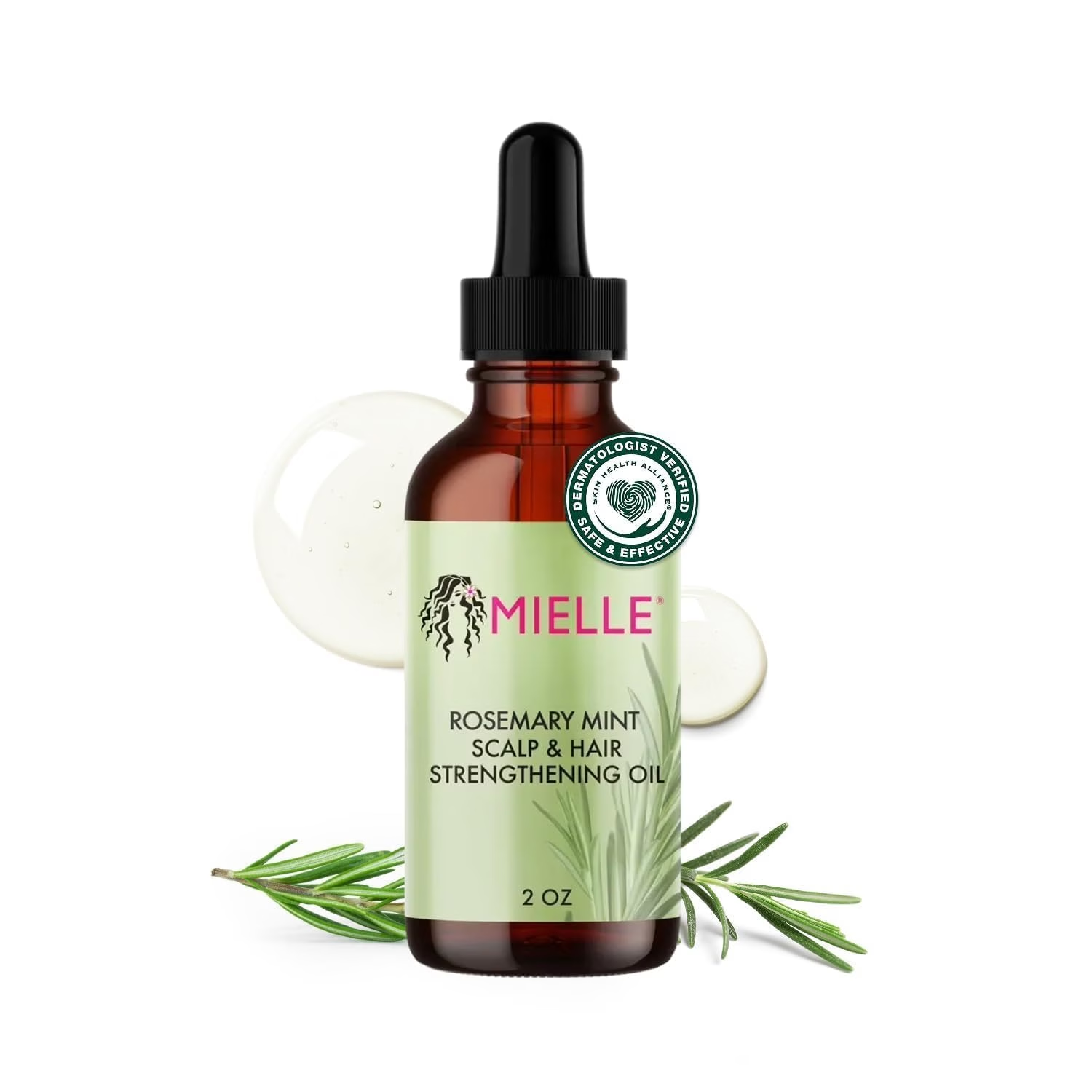
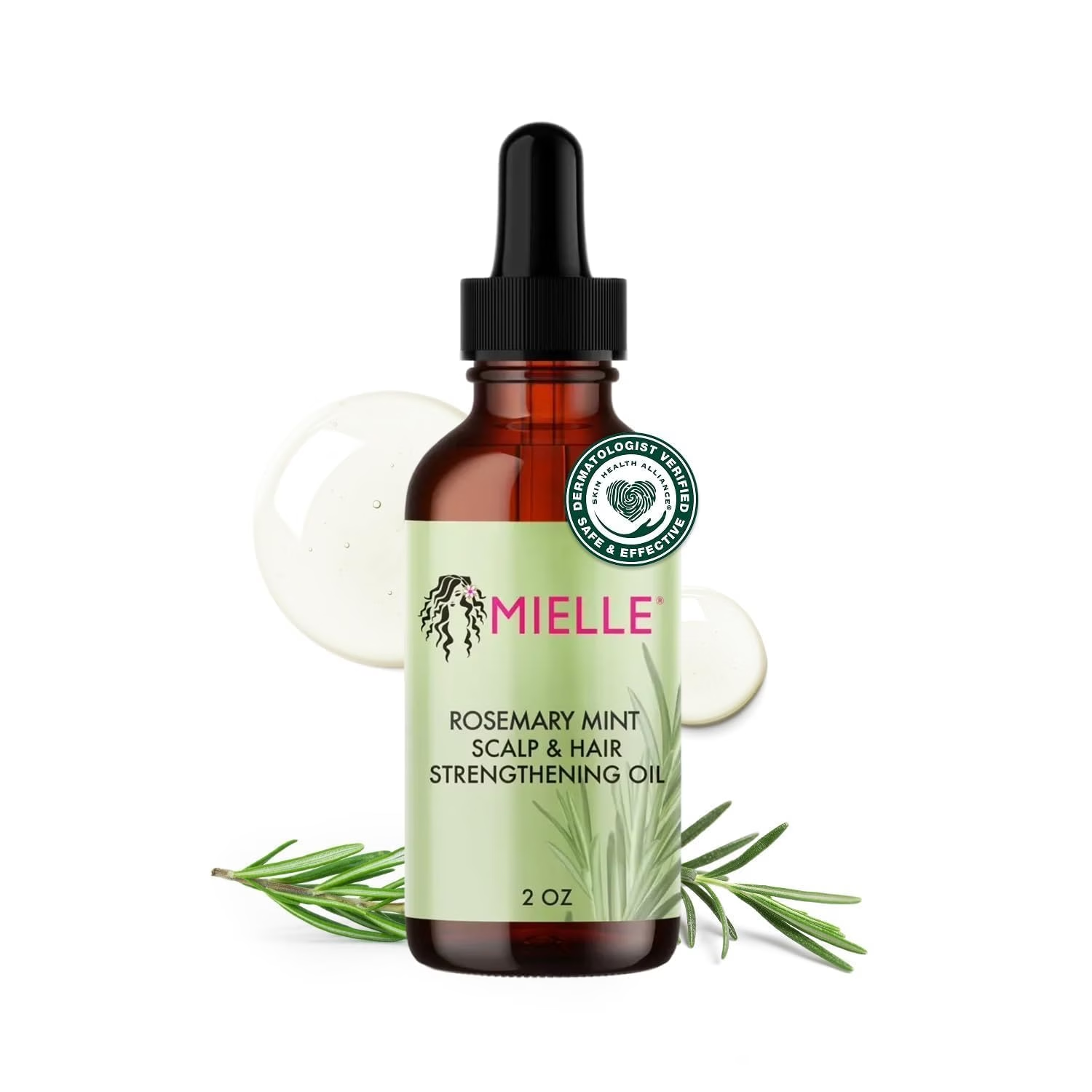
The Mielle Organics Rosemary Mint Scalp & Hair Strengthening Oil is one of the most successful natural haircare products in recent years — driven by genuine consumer enthusiasm and impressive social media reach. The honest evaluation sits somewhere between the hype and healthy skepticism.
Formula and Evidence
Mielle’s Rosemary Mint Oil combines rosemary essential oil with peppermint oil, biotin, and a blend of natural carrier oils (olive, sweet almond, coconut). Rosemary oil’s evidence profile is covered in the rosemary scalp oil review — the 2015 Skinmed trial is the primary published data, which found promise in a small study with caveats about scalp irritation. The peppermint addition provides a cooling vasodilatory sensation; one small mouse study published in Toxicological Research (2014) found peppermint oil increased scalp circulation markers, though translating mouse data to human topical results requires caution.
Biotin in a topical formula is absorbed to a minimal degree through the scalp — the majority of biotin benefit in humans comes from oral supplementation, not topical application. The carrier oils provide conditioning benefits that are well-established for scalp comfort.
Who Should Use This
Mielle Rosemary Mint Oil is for adults who enjoy the sensory experience of a pre-wash scalp oil ritual, are comfortable with the limited evidence base for its growth claims, and want an affordable, accessible natural-origin option. Always use as directed — this is a rinse-out pre-wash treatment, not a leave-on product for most hair types. Do not apply to broken or irritated scalp skin.
ScalpNest content is for informational purposes only and does not constitute medical advice. For persistent, severe, or worsening scalp symptoms, consult a board-certified dermatologist.