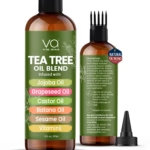
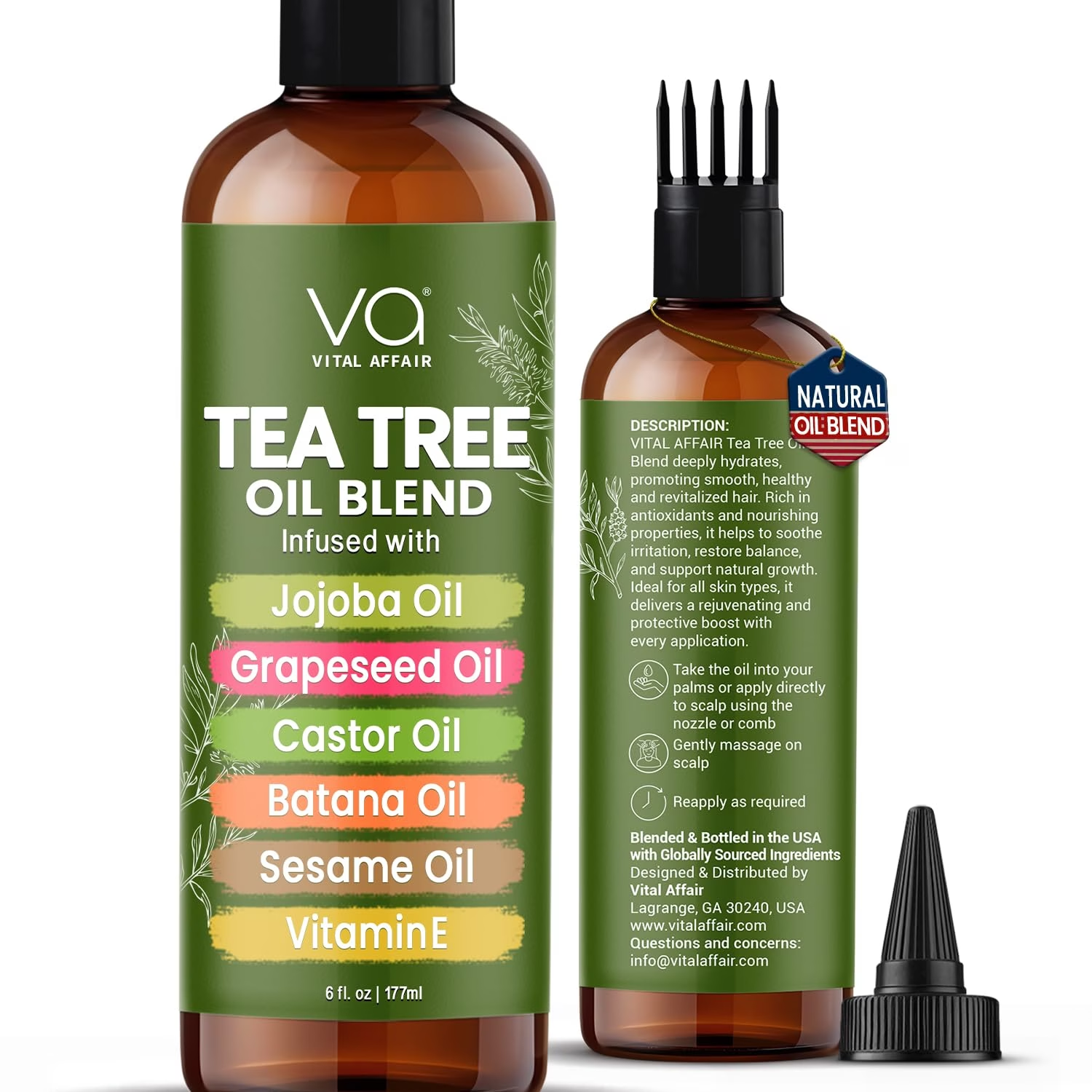
Tea tree oil scalp products occupy an interesting evidence niche in scalp care: the antifungal and antimicrobial properties of Melaleuca alternifolia (tea tree) are among the most documented in natural ingredient research, yet the specific efficacy of tea tree scalp oils in OTC products is less robustly studied than prescription antifungals.
What the Evidence Supports
A 2002 randomized controlled trial published in the Journal of the American Academy of Dermatology found that 5% tea tree oil shampoo was significantly more effective than placebo in reducing dandruff severity, with 41% of the tea tree group showing improvement versus 11% in the placebo group. This is the most-cited study on tea tree for scalp, and it involved a shampoo formulation (rinse-out) at 5% concentration — not a leave-on oil at lower concentration.
Leave-on scalp oils with tea tree as a component typically use it at 1–2%, below the 5% concentration studied. The antimicrobial and anti-inflammatory properties are still present at lower concentrations, but the clinical efficacy evidence at those dilutions is thinner. Tea tree should always be diluted in a carrier oil for scalp application — undiluted tea tree essential oil causes significant skin irritation and is not appropriate for direct scalp use.
Who Should Use This
Tea tree scalp oil is a reasonable addition to a scalp care routine for adults with mild itching, scalp sensitivity, or mild cosmetic flaking who want a natural-origin antimicrobial option. It is not a substitute for medicated anti-dandruff shampoos for moderate-to-severe dandruff — the evidence base for tea tree at typical OTC oil concentrations is weaker than for zinc pyrithione or ketoconazole. Persistent or severe dandruff warrants dermatological evaluation.
How It Compares
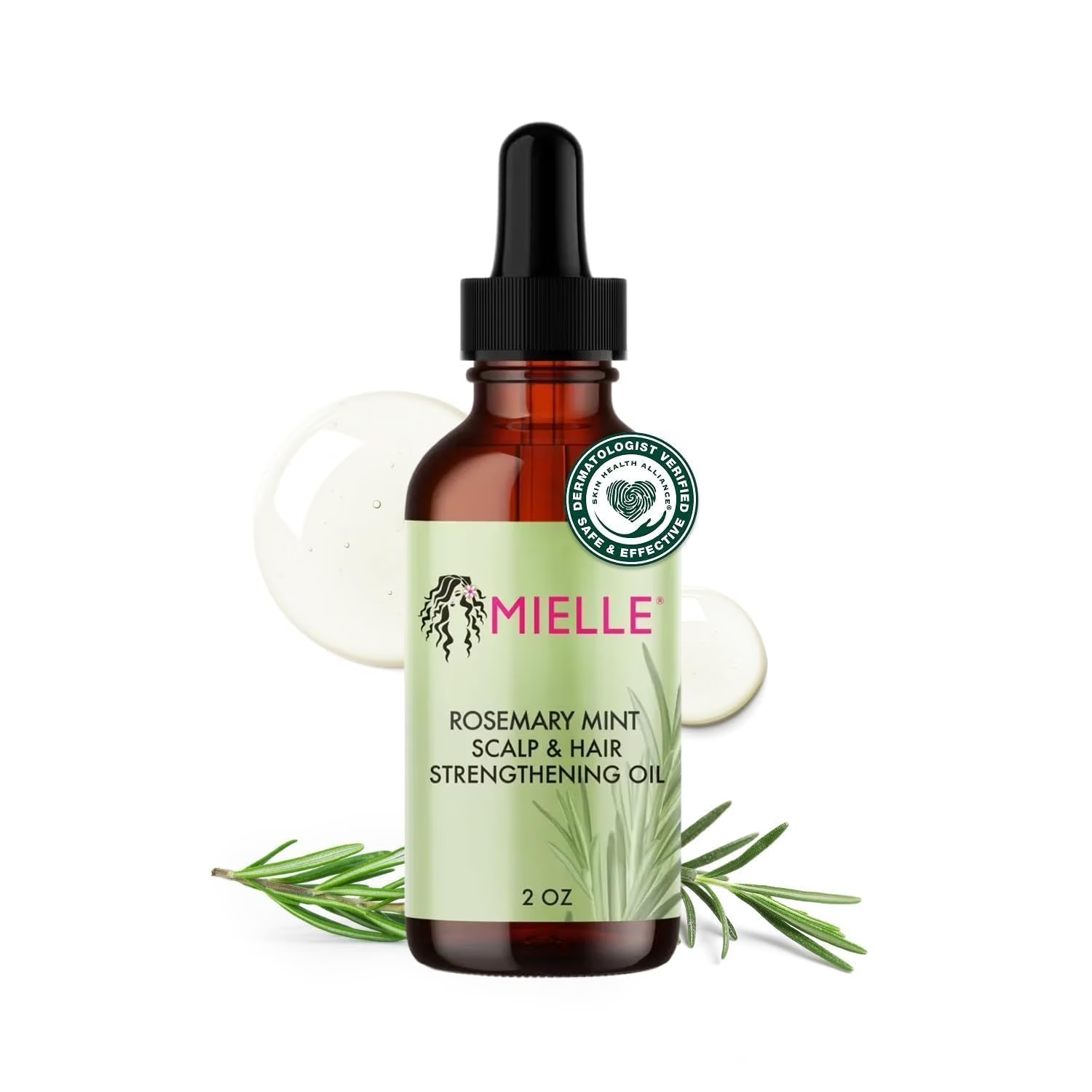
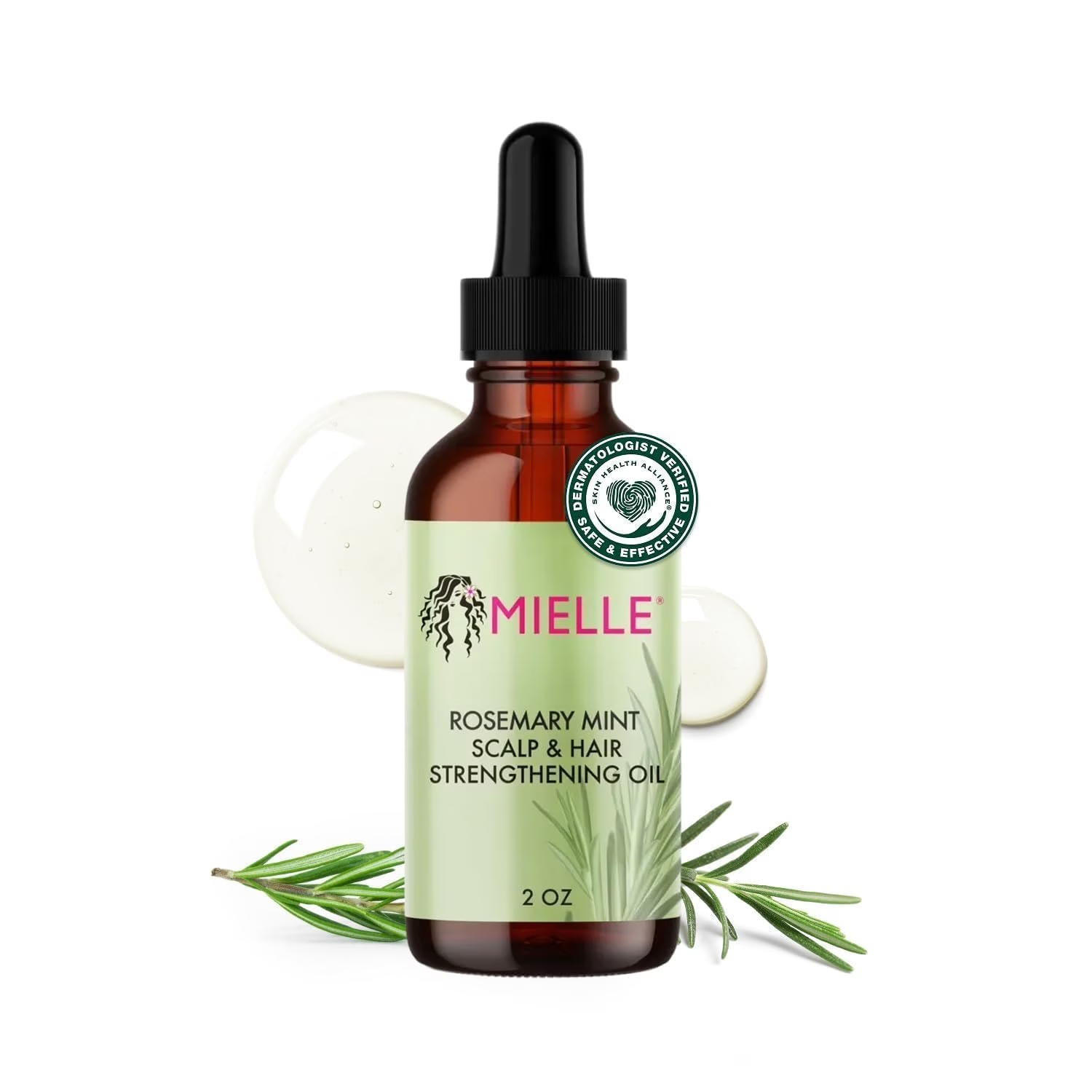
Against Mielle Rosemary Mint Oil, a dedicated tea tree scalp oil provides a more concentrated antimicrobial focus; Mielle’s adds the rosemary and peppermint sensory profile. Both are pre-wash rinse-out products with similar overall evidence levels for their primary claims.
ScalpNest content is for informational purposes only and does not constitute medical advice. For persistent, severe, or worsening scalp symptoms, consult a board-certified dermatologist.