
Dry scalp and oily hair are a frustrating combination — the scalp needs moisture, but heavy oils make the hair greasy and flat within hours. The solution isn’t to avoid oils entirely; it’s to choose oils with the right molecular weight to absorb into the scalp instead of sitting on top of it.
Before diving into specific oils, it’s worth confirming you actually have dry scalp rather than dandruff — both cause flaking but require different approaches. Our dry scalp vs dandruff guide has the six differences that tell them apart. This article assumes you’ve confirmed dry scalp.
Why Scalp Oils Work Differently Than Hair Oils
Scalp skin is skin — it has sebaceous glands, a lipid barrier, and the same basic needs as facial skin. Most body moisturizers are too heavy and occlude follicles. Scalp oils formulated for the scalp (rather than general hair oils) are lighter, often blended for fast absorption, and designed to leave no residue.
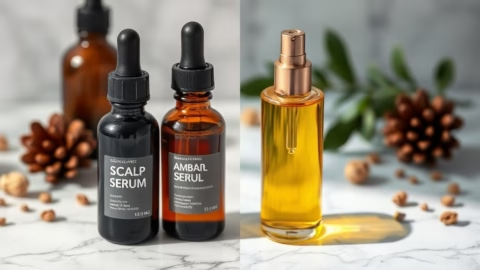
For context on how oils compare to serums and when to use which, see our scalp oil vs scalp serum comparison. The short version: oils treat surface dryness and barrier disruption; serums deliver active ingredients deeper into the follicle.
The 4 Best Oil Types for Dry Scalp
1. Jojoba Oil
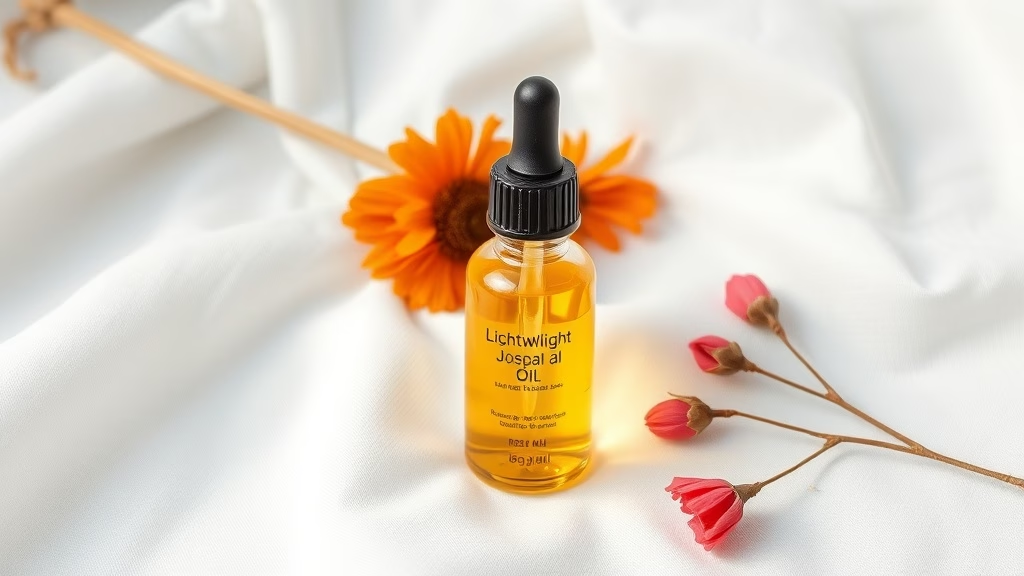
Jojoba is technically a liquid wax ester, not a true oil — its molecular structure is closer to the skin’s natural sebum than any other plant-derived ingredient. This is why it absorbs so readily without leaving a greasy film. It’s also non-comedogenic (won’t clog follicles), making it suitable even for people whose scalp tends toward oiliness in the T-zone areas.
For dry scalp specifically, jojoba helps restore the lipid barrier that gets stripped by harsh shampoos, cold weather, and hard water. Apply 3–5 drops directly to the scalp two or three nights per week; it absorbs within about 20 minutes.
2. Squalane
Squalane (derived from sugarcane or olives, not shark liver — check the source) is one of the lightest oils available. It’s the most “skin-identical” of all scalp oils — human sebum naturally contains squalene, and topically applied squalane replenishes what daily washing removes. It leaves virtually no residue and doesn’t affect hair texture at all, making it ideal for fine or color-treated hair.
It’s slightly more expensive than jojoba but absorbs faster and is entirely odorless — useful if you’re applying it in the evening and don’t want to carry an oily scent.
3. Rosehip Seed Oil
Rosehip seed oil is rich in linoleic acid (an omega-6 fatty acid) and vitamin A precursors. Research on facial skin suggests linoleic acid is particularly beneficial for barrier repair in dry, compromised skin — the scalp’s lipid barrier has the same structure.
It’s heavier than jojoba or squalane and more prone to oxidation (store in the fridge after opening). Best used weekly rather than nightly on dry scalp, and works particularly well as a pre-shampoo treatment: apply, leave 30 minutes, then wash out. This delivers the barrier-repair benefits without any residue risk.
4. Marula Oil
High in oleic acid and omega fatty acids, marula oil is fast-absorbing for its weight and has a pleasant light feel. Studies on fatty acid composition suggest it may help maintain the scalp’s moisture barrier through the same mechanism as oleic acid-rich skin moisturizers. It works well for people whose scalp dryness tends to be seasonal (winter dryness, low-humidity climates) rather than structural.
Oils to Avoid for Dry Scalp
- Coconut oil — popular but highly comedogenic for some scalp types. The large lauric acid molecule doesn’t absorb efficiently and can block follicles, worsening flaking. Works well for some people, causes scalp buildup in others. If you’ve tried coconut oil and your dry scalp got worse, this is likely why.
- Castor oil — extremely thick, difficult to wash out, and can cause significant buildup with regular use. Often marketed for hair growth but the evidence is weak, and the texture makes it impractical as a scalp treatment.
- Mineral oil — creates an occlusive seal but doesn’t absorb; it just sits on the scalp and attracts product buildup.
How to Apply Scalp Oil Without Making Hair Greasy
- Section hair to expose scalp, apply oil in small amounts directly to skin (not hair).
- Massage in with fingertips for 60 seconds. A scalp massager helps distribute evenly and improves absorption through mechanical stimulation.
- For nightly use (jojoba, squalane): apply 30–60 minutes before bed or leave in overnight and shampoo in the morning.
- For weekly pre-shampoo treatments (rosehip, marula): apply 30–45 minutes before washing, then shampoo normally. Your shampoo removes the excess; the absorbed portion stays.
Should You Use a Scalp Oil or a Serum?
If dryness is your only concern — tight, itchy feeling, fine white flakes that disappear after moisturizing — a scalp oil is usually the right starting point. It addresses the surface barrier problem directly.
If you’re also dealing with thinning, hair texture changes, or persistent irritation that doesn’t resolve with moisturizing alone, a scalp serum with active ingredients may be more appropriate, either alone or layered with oil. Our best scalp oil guide includes pre-formulated blends that combine several of these oils in tested ratios.
A Note on Persistent Dry Scalp
Dry scalp that doesn’t respond to regular oil treatment may have an underlying cause — contact dermatitis, psoriasis, eczema, or over-washing stripping the skin barrier faster than oils can replenish it. A dermatologist can diagnose scalp conditions that look like simple dryness but require prescription treatment. If your scalp has been dry for several months despite consistent moisturizing, getting it looked at is worth the appointment.