
Castor oil is probably the single most recommended “natural” scalp treatment on the internet, credited with everything from thickening hair to reversing hair loss. The actual evidence is considerably more modest than the enthusiasm suggests — not nonexistent, but worth understanding honestly before you commit to a sticky, hard-to-wash-out routine based on inflated claims.
What Castor Oil Actually Contains
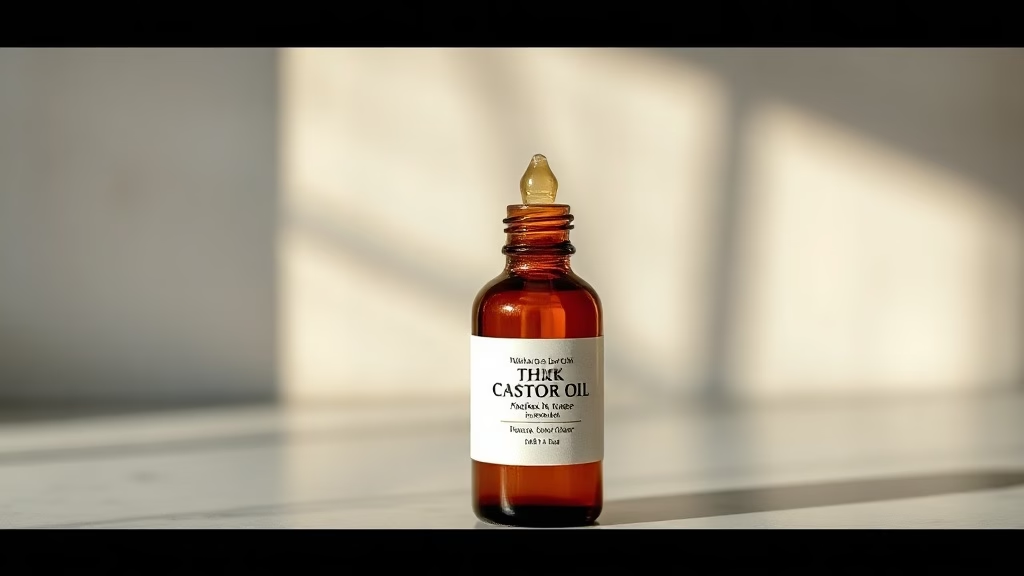
Castor oil is roughly 90% ricinoleic acid, an unusual fatty acid not found in significant concentration in most other common oils. It’s notably viscous — among the thickest oils used in scalp and hair care, which is directly relevant to both its claimed benefits and its practical downsides.
What the Evidence Actually Shows
There is no published clinical research demonstrating that topical castor oil increases hair growth or reverses hair loss in humans. The claims circulating online generally trace back to anecdotal reports and ricinoleic acid’s known anti-inflammatory and antimicrobial properties in other contexts (it’s used in some pharmaceutical and cosmetic applications for unrelated reasons) rather than any trial testing castor oil specifically for hair growth.
What castor oil can plausibly do, based on its known properties rather than hair-specific research: its thick, occlusive texture can coat the hair shaft and temporarily reduce breakage and improve shine — a cosmetic effect on existing hair, not a follicle-level growth effect. Any perceived “thicker” hair from regular castor oil use is more likely this coating effect making individual strands look and feel fuller, not new follicle activity.
Why the Growth Claims Persist Despite Thin Evidence
A few dynamics that likely explain castor oil’s outsized reputation relative to its evidence: hair naturally sheds and regrows in cycles, so improvement coinciding with castor oil use is often coincidental regrowth rather than caused by it. The coating/shine effect is immediately visible and satisfying, which reinforces continued use even without any actual change to hair growth rate. And there’s a broad cultural narrative around “natural” remedies as inherently effective and safe, which castor oil benefits from regardless of the specific evidence for this particular use.
Compare: What Actually Has Evidence for Growth
If hair growth specifically is your goal, ingredients with actual clinical support include minoxidil (the only FDA-approved topical for pattern hair loss) and, with more modest evidence, topical caffeine and rosemary oil. See our evidence-graded ingredient guide for the full breakdown of what’s actually been studied. Castor oil falls into the “weak or no clinical evidence for growth specifically” category alongside biotin and argan oil.
Practical Downsides of Castor Oil
- Extremely difficult to wash out. Its viscosity means multiple shampoo cycles are often needed to fully remove it, and residue left behind can weigh hair down and attract dirt/product buildup at the scalp.
- Can clog follicles for some people. The thick, occlusive texture that gives it a coating effect on hair can also trap sebum and debris at the scalp surface if not washed out thoroughly, potentially worsening buildup-related issues for some scalp types.
- Allergic reactions, while uncommon, do occur. Patch test on a small area before applying broadly, especially if you have sensitive skin.
Should You Use It Anyway?
If you like the shine and temporary strand-coating effect and are willing to deal with thorough washing, there’s no strong reason not to use castor oil occasionally as a cosmetic treatment — just don’t expect it to meaningfully affect hair growth or thickness at the follicle level. If your actual goal is addressing hair thinning or loss, your time and money are better directed toward ingredients with real supporting evidence, discussed with a dermatologist if the hair loss is significant or progressive.
See our lighter, faster-absorbing oil picks if you want scalp moisture benefits without castor oil’s washing difficulty.