How to Use Rosemary Mint Scalp Oil (And What the Evidence Says)
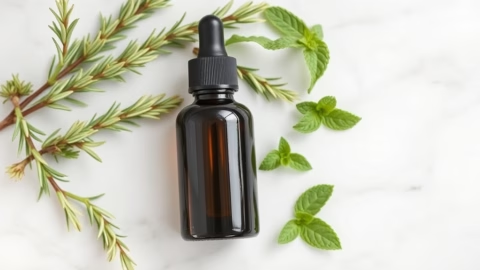
Rosemary mint scalp oil is applied to the scalp, not the hair — and how you use it matters. Here's the correct method, frequency, and what rosemary oil actually does.

Scalp oils can soothe a dry, tight scalp, but they suit some scalps better than others: on an oily or flaky scalp, heavy oils can make things worse. Essential oils such as rosemary should always be diluted in a carrier oil before they touch skin.These guides cover rosemary-mint and castor oil, oils for dry scalp and how oils differ from serums. Start with scalp oil vs scalp serum and how to use rosemary mint oil, then compare picks in our best scalp oil guide.
Rosemary mint scalp oil is applied to the scalp, not the hair — and how you use it matters. Here's the correct method, frequency, and what rosemary oil actually does.
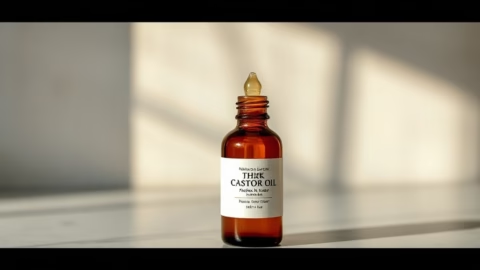
Castor oil is one of the most recommended scalp oils online, but the clinical evidence for hair growth is thin. Here's what it actually does and doesn't do.
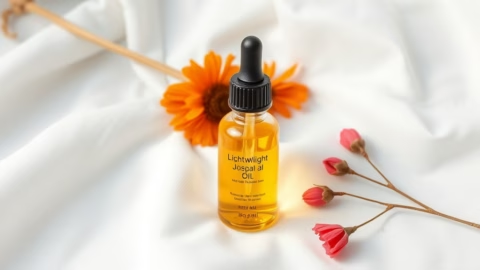
Dry scalp needs lightweight oils that absorb without buildup. Here are the 4 best scalp oils for dryness, why they work, and how to apply them.
Scalp oil vs serum: oils are rich pre-wash treatments, serums are light daily leave-ins. Compare texture, use, and scalp type to pick the right one.