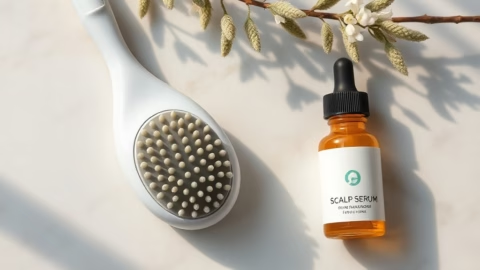

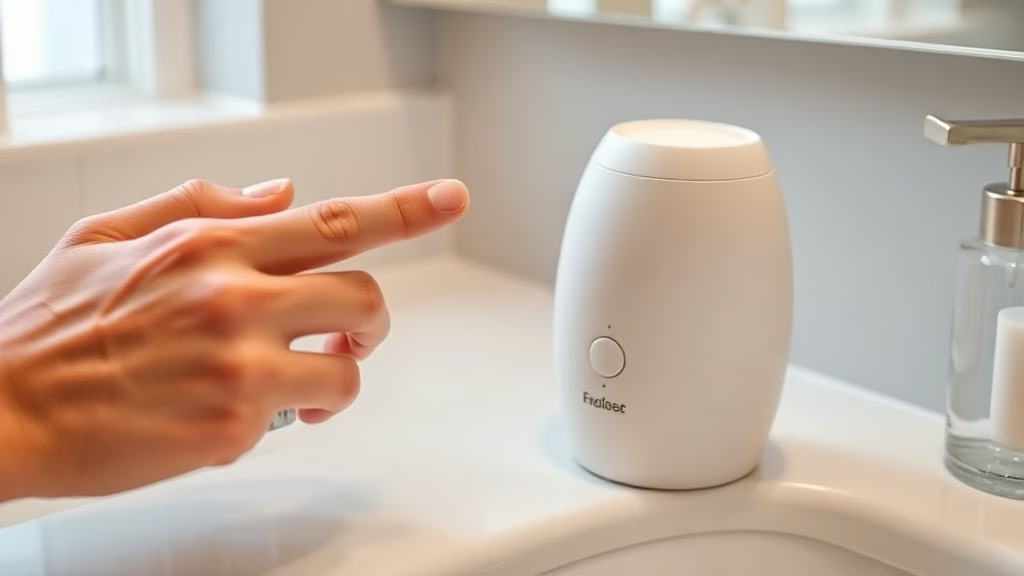
The research behind scalp massage — increased local circulation, potential mechanical stimulation of dermal papilla cells, reduced tension — doesn’t specify manual fingertip technique or an electric device. Both apply the same basic mechanical stimulus. The real differences are practical: consistency, reach, and how likely you are to actually do it daily.
For the underlying research on why scalp massage may help, see our scalp massage benefits guide. This article focuses specifically on the manual vs. electric decision.
Manual Massage: The Case For It
Fingertip massage requires no equipment, costs nothing, and gives you direct tactile feedback — you can feel exactly where tension sits and adjust pressure in real time in a way that’s harder to replicate with a device. It’s also immediately accessible; there’s no charging, no cleaning a separate tool, nothing between you and starting a session right now.
The downside is consistency. Manual technique varies with hand fatigue, attention, and how thorough you’re actually being — it’s easy to do a cursory 30-second version of what should be a 4-minute session, especially at the end of a long day.
Electric Massage: The Case For It
An electric scalp massager maintains the same pressure and motion pattern for the full session regardless of fatigue, and the handle makes it significantly easier to reach the crown and back of the head — areas that are awkward to massage thoroughly with your own fingers, especially one-handed while doing something else. Most electric massagers are also waterproof, making it practical to use during shampooing, which adds a buildup-loosening benefit on top of the massage itself. See our electric scalp massager guide for what to look for in a device.
The downside is the extra cost of a device and the friction of an extra tool to charge, clean, and remember to use — friction that manual massage doesn’t have.
Does the Research Distinguish Between Them?
Not meaningfully. The most commonly cited scalp massage study used manual technique, but its underlying hypothesis — mechanical stretching of dermal papilla cells — is about the mechanical stimulus itself, not the tool that delivers it. There’s no published research directly comparing manual vs. electric massage outcomes head-to-head, so any claim that one is definitively “better” for hair health specifically is not something the evidence currently supports either way.
Where They Genuinely Differ
- Consistency of daily practice: electric devices likely win for most people, simply because a device that’s easy to grab and use for a fixed session tends to get used more reliably than “remember to massage your scalp for 4 minutes” as a purely mental habit.
- Tactile precision: manual massage wins if you’re specifically targeting tension spots you can feel, since fingertips give direct feedback a device tips cannot replicate.
- In-shower cleansing benefit: electric devices with waterproof ratings add a buildup-loosening function manual massage during a regular shampoo session partially replicates but less thoroughly.
- Cost: manual is free; electric requires an upfront purchase.
Which Should You Choose?
If you’re confident you’ll actually do a consistent 4-minute manual session daily, there’s no evidence-based reason to spend money on a device — the mechanical stimulus is the active ingredient, not the tool. If you suspect (honestly) that you won’t maintain a manual habit without some structure, an electric massager’s ease of use may be the difference between actually doing it regularly and not doing it at all, which matters more for real-world results than which method is theoretically superior.
See our tested massager picks if you decide the electric route fits your routine better.