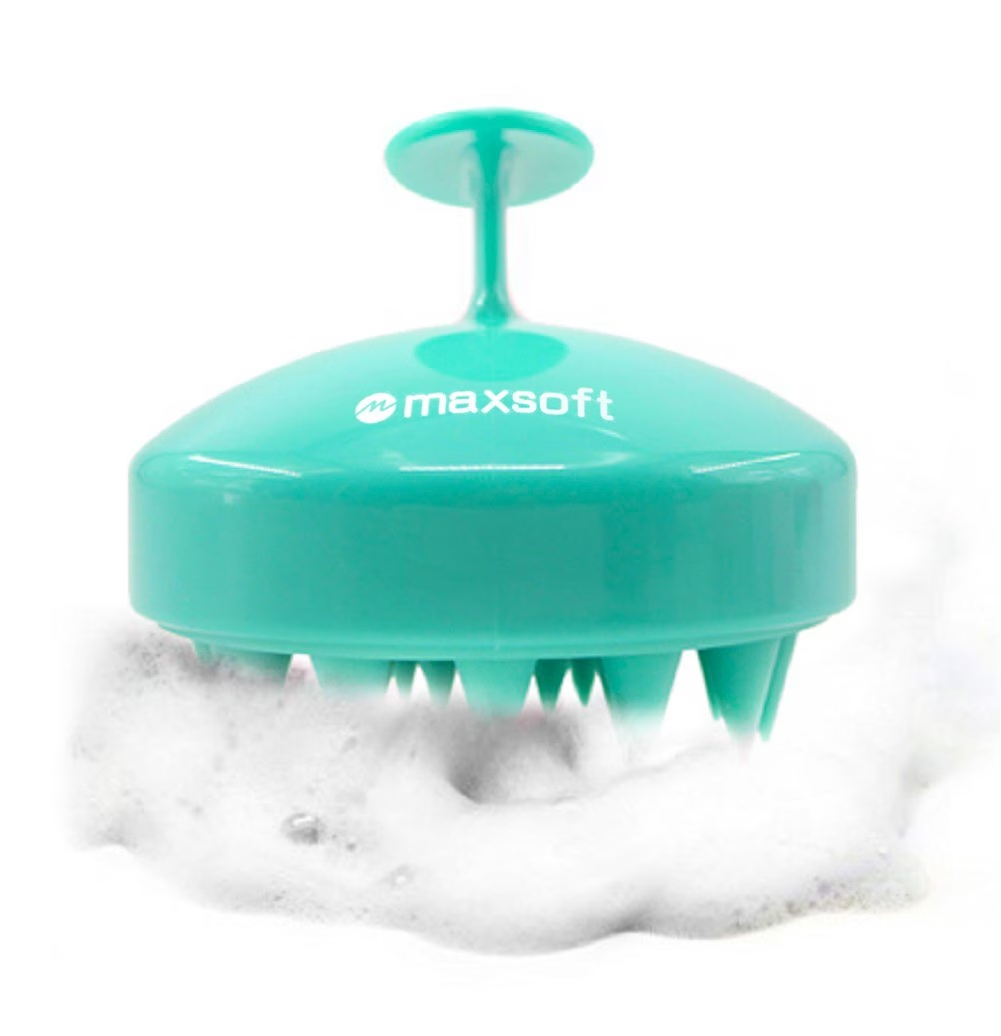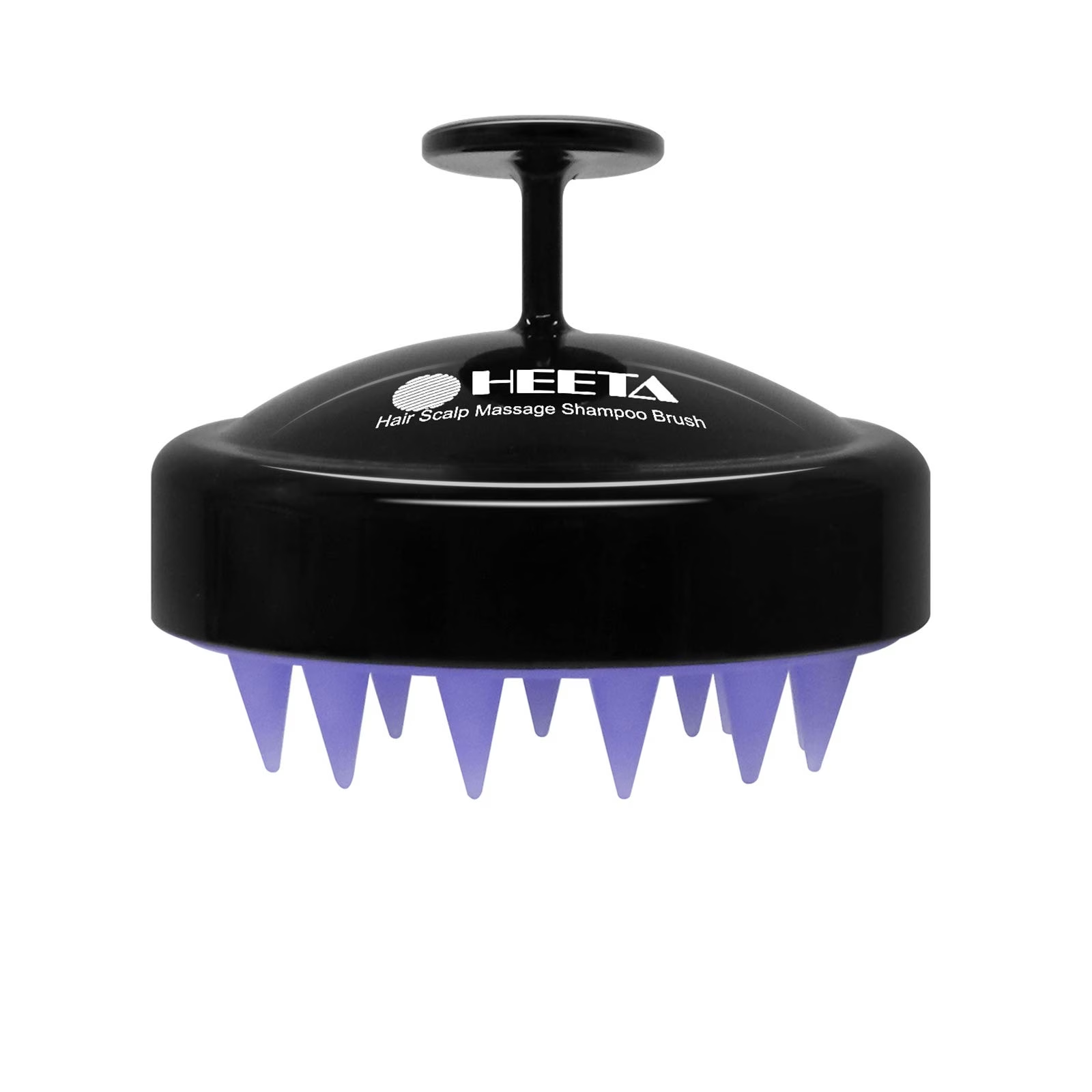
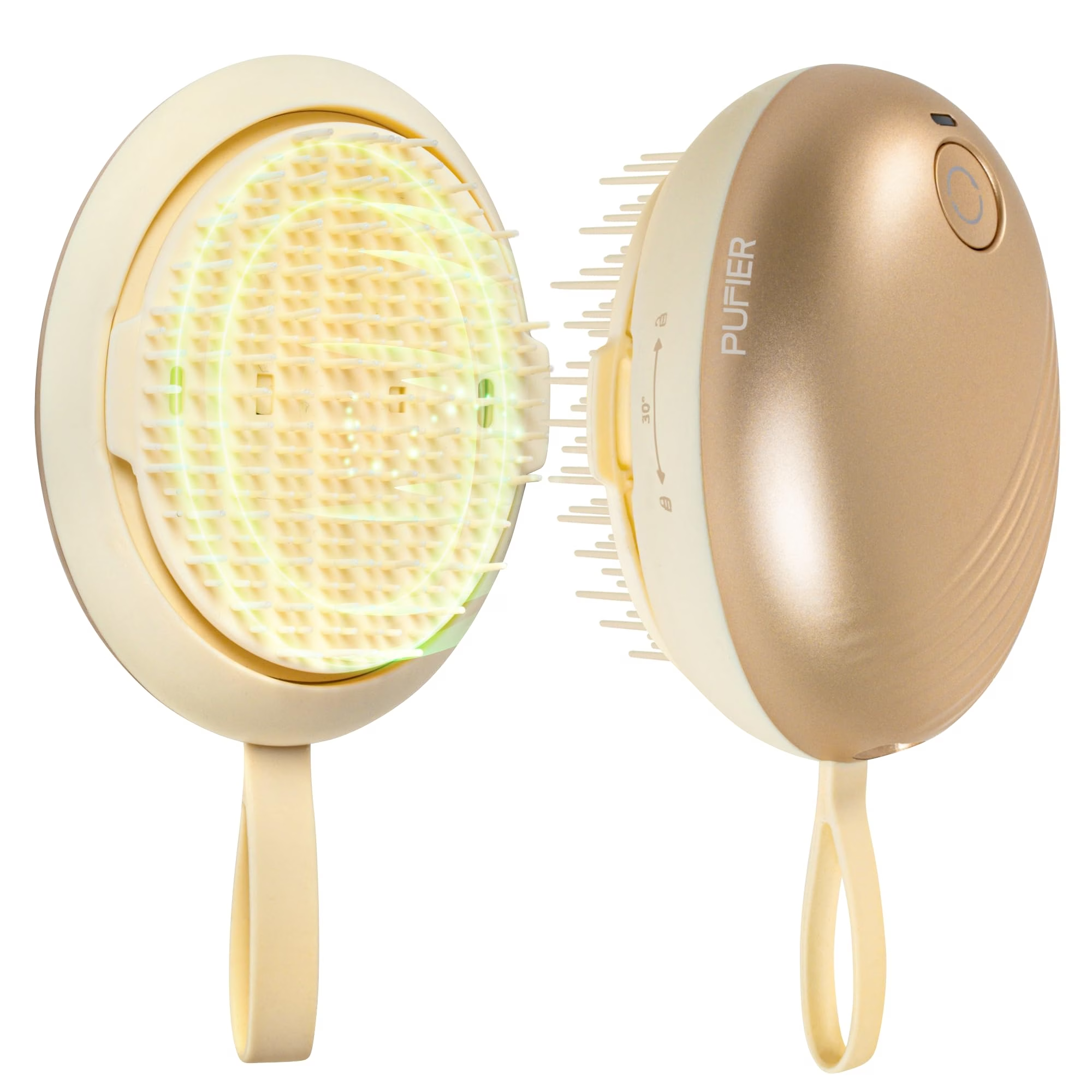
The Electric Scalp Massager (reviewed here using the RENPHO model as our primary test unit) is for one specific use case: people who want the benefits of scalp massage — stress relief, improved scalp product distribution, and the tactile stimulation — without the arm work of manual brushing.
How Electric Scalp Massagers Work
Electric scalp massagers use rotating silicone nodes driven by a motor to provide a kneading, circular massage motion at the scalp. The sensation is notably different from manual massage — the rotating action is more consistent and reaches scalp areas that are difficult to target manually (the crown, the back of the head). Most models are waterproof for shower use and operate at multiple speed settings.
On the evidence side: the same 2016 Eplasty study on scalp massage (standardized finger massage, not electric) found increased hair shaft thickness after 24 weeks. Whether electric massagers replicate or improve on this effect specifically isn’t established in published research — but the mechanical principle (stimulation of scalp tissue) is similar. The stress-relief and relaxation benefits of any scalp massage are real and don’t require a clinical trial to confirm.
Who Should Buy This
The electric scalp massager is for people who want a hands-off scalp massage experience, particularly for relaxation or for distributing scalp serums without manual effort. It’s worth the premium over a manual brush if you find manual massage tedious or if you have limited hand strength. For the purely functional purposes of distributing shampoo during washing, a manual brush is cheaper and adequate.
ScalpNest content is for informational purposes only and does not constitute medical advice. For persistent, severe, or worsening scalp symptoms, consult a board-certified dermatologist.